
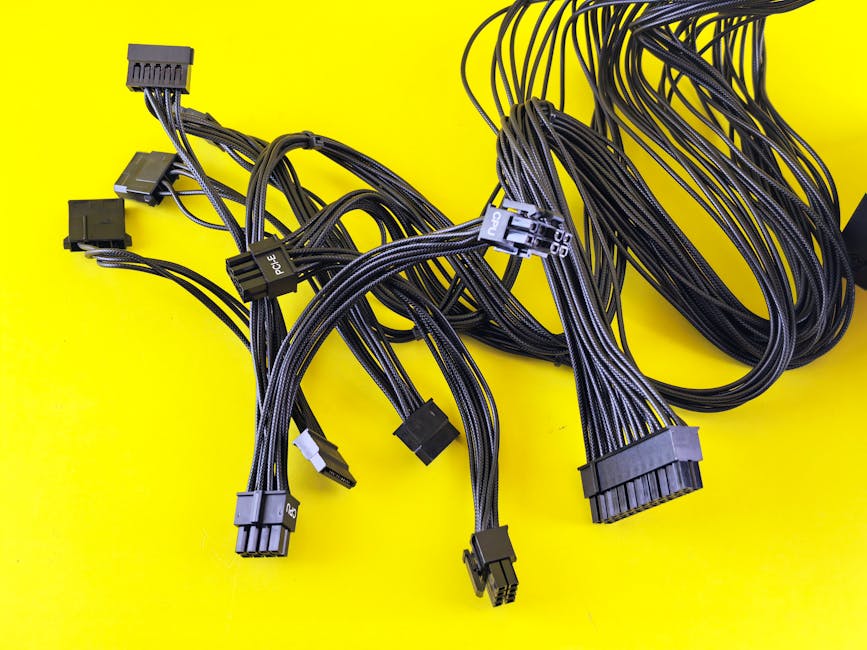
The Art and Science Behind Wire Harness Production
Wire harness assembly is a critical yet often overlooked element in modern manufacturing, playing a vital role in various industries, from automotive to aerospace and electronics. This complex process involves the meticulous organization and integration of wires, terminals, and connectors to form assemblies that ensure reliable electrical connections. As technology advances, the art and science behind wire harness production are evolving, leading to greater efficiency, improved safety, and enhanced product quality.
Understanding Wire Harness Assembly
At its core, wire harness assembly is the process of assembling multiple wires and cables into a single unit. This assembly serves several purposes: it streamlines electrical connections, reduces the risk of short circuits, and simplifies the installation process in end products. A typical wire harness consists of various components, including wires, connectors, and protective coverings, all meticulously arranged to meet specific operational requirements.
Key Components of Wire Harness Assembly
-
Wires: The fundamental building blocks of any wire harness, wires come in various gauges and materials, with copper being the most common due to its excellent conductivity.
-
Connectors: These components facilitate the joining of wires to power sources, devices, or other harnesses. Connectors can vary in complexity, from simple splices to sophisticated locking mechanisms ensuring secure connections.
-
Terminals: Terminals are attached to the ends of wires and are crucial for connecting the wires to other components within a system. They are available in different styles, including crimp, solder, and screw terminals.
-
Protection: To safeguard against environmental factors like moisture, heat, and abrasion, wire harnesses often incorporate protective coverings, such as heat shrink tubing, conduit, or braided sleeving.
The Assembly Process
The wire harness assembly process can be broken down into several key stages, each requiring precision and craftsmanship:
-
Design and Planning: Before any physical assembly, engineers create detailed schematics and diagrams, outlining the specifications for the wire harness, including wire lengths, connector types, and layouts.
-
Material Selection: Choosing the right materials is crucial. Manufacturers must consider factors such as electrical conductivity, durability, and environmental resistance when selecting wires and connectors.
-
Cutting and Stripping: Wires are cut to the required lengths and stripped of insulation at the ends to prepare them for connection. This stage demands accuracy to avoid excess waste and ensure optimal performance.
-
Crimping and Connecting: Wires are attached to terminals and connectors through crimping or soldering. This step is vital for ensuring a secure and reliable connection that can withstand vibrations and environmental stresses.
-
Testing: Quality assurance is paramount in wire harness assembly. Manufacturers conduct various tests, including continuity checks and insulation resistance tests, to ensure the finished product meets industry standards and is free from defects.
-
Packaging and Delivery: After passing quality assurance, the wire harnesses are carefully packaged to prevent damage during transport and are then delivered to manufacturers or clients for final assembly.
The Role of Technology in Wire Harness Assembly
As industries demand higher efficiency and precision, technology continues to revolutionize wire harness assembly. Automation and robotics are becoming increasingly prevalent, allowing for faster production times and reduced labor costs. Automated machines can perform tasks like cutting, stripping, and crimping with remarkable accuracy, minimizing human error and increasing output.
Additionally, computer-aided design (CAD) software enables engineers to create intricate wire harness designs that can be easily modified and optimized. This level of design flexibility is critical for industries that require custom solutions, such as aerospace and specialized automotive applications.
Industry Applications
Wire harness assembly finds applications across various sectors, each with unique requirements:
-
Automotive Industry: In vehicles, wire harnesses connect everything from the ignition and battery to entertainment systems and sensors. As electric vehicles gain traction, the demand for efficient and lightweight wire harnesses has surged.
-
Aerospace Sector: Safety and reliability are paramount in aerospace applications. Wire harnesses in aircraft must withstand extreme conditions, making specialized materials and rigorous testing essential.
-
Consumer Electronics: As technology becomes more compact, wire harnesses in consumer electronics must be designed to fit into smaller spaces while maintaining performance and durability.
Challenges in Wire Harness Assembly
Despite advancements, wire harness assembly faces several challenges. Tight production schedules often pressure manufacturers, leading to potential quality control issues. Additionally, managing supply chain disruptions can affect the availability of materials needed for production.
Moreover, the increasing complexity of electronic systems means that wire harness designs are becoming more intricate, requiring advanced engineering solutions to ensure functionality while maintaining manufacturability.
The Future of Wire Harness Assembly
Looking ahead, the future of wire harness assembly appears bright. The integration of artificial intelligence and machine learning could further enhance production efficiency by enabling predictive maintenance and quality control. Smart manufacturing initiatives could lead to more agile production lines that can adapt to changing demands and reduce lead times.
Moreover, sustainability is becoming a crucial consideration. As industries strive to reduce their carbon footprints, manufacturers are exploring eco-friendly materials and processes in wire harness production.
Conclusion
Wire harness assembly is an intricate blend of art and science, essential to the functionality of countless products across various industries. As technology continues to evolve, so too will the methods and materials used in wire harness production, driving innovation and efficiency. By understanding the complexities and advancements in this field, stakeholders can better appreciate the critical role wire harness assembly plays in ensuring the reliability and safety of modern technology. With a focus on quality, efficiency, and sustainability, the future of wire harness assembly looks promising, paving the way for continued advancements in the manufacturing landscape.