
The Future of Fabrication: Why Laser Cutting Machines are Game Changers
In the rapidly evolving world of manufacturing and fabrication, technology consistently paves the way for innovative processes that enhance efficiency, precision, and creativity. Among these advancements, the Laser Cutting Machine stands out as a transformative tool that is reshaping the landscape of various industries. From intricate designs in fashion to robust components in automotive manufacturing, laser cutting technology is not only revolutionizing production methods but also redefining possibilities in design and execution. In this blog post, we will explore the reasons why laser cutting machines are game changers and how they are shaping the future of fabrication.
Understanding Laser Cutting Technology
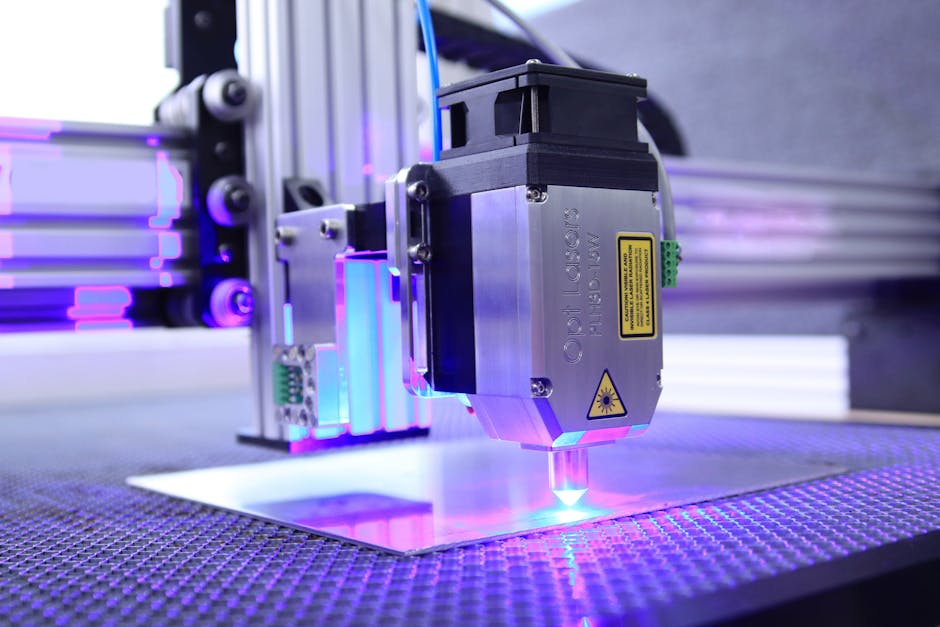
Before delving into the advantages and applications of laser cutting machines, it’s essential to grasp how they operate. A laser cutting machine utilizes a high-powered laser beam to slice through materials with exceptional precision. The process involves the following key components:
- Laser Source: Typically, CO2 or fiber lasers generate the intense light beam used for cutting.
- Optics and Lenses: These focus the laser beam onto the material’s surface to achieve a narrow kerf (the width of the cut).
- Motion Control System: This allows for the precise movement of the laser head over the material, enabling intricate designs and patterns to be cut.
The versatility of laser cutting machines means they can work with various materials, including metals, plastics, wood, and textiles, making them indispensable across multiple sectors.
The Advantages of Laser Cutting Machines
1. Precision and Accuracy
One of the most significant advantages of laser cutting machines is their ability to create intricate and detailed designs with remarkable accuracy. The focused laser beam can cut through materials with a tolerance of just a few microns, making them ideal for applications that require high levels of precision, such as the aerospace and medical industries.
2. Versatility Across Materials
Unlike traditional cutting methods, which may be limited to specific materials, laser cutting machines are compatible with a broad range of substrates. This versatility allows manufacturers to explore creative possibilities that were previously unattainable. Whether it’s metal for automotive parts, acrylic for signage, or fabric for fashion, laser cutting technology opens doors to endless applications.
3. Reduced Waste and Material Efficiency
Traditional cutting methods often result in significant material waste due to the size of the cutting tools and the need for excess material around cuts. In contrast, laser cutting machines produce a narrower kerf, meaning less material is wasted during the production process. This efficiency not only saves costs but also aligns with sustainable manufacturing practices by minimizing waste.
4. Speed and Efficiency
In today’s fast-paced market, speed is crucial. Laser cutting machines can operate at high speeds while maintaining precision, allowing manufacturers to increase production rates without sacrificing quality. This capability is especially beneficial in industries where time-to-market is critical.
5. Automation and Integration with Technology
Modern laser cutting machines can be easily integrated into automated production lines. With advancements in technology, including Computer Numerical Control (CNC) systems and software that can optimize cutting paths, manufacturers can streamline their workflows. This automation not only reduces labor costs but also enhances productivity and consistency.
Applications of Laser Cutting Machines
The versatility of laser cutting machines has led to their widespread adoption across various industries. Here are some of the key sectors benefiting from this technology:
1. Automotive Industry
In the automotive sector, laser cutting machines are used for manufacturing components such as brackets, frames, and body panels. Their precision ensures that parts fit together seamlessly, contributing to the overall quality and safety of vehicles.
2. Aerospace Sector
The aerospace industry demands the highest standards of precision and quality. Laser cutting machines are essential for producing lightweight, durable components that meet stringent regulatory requirements. The ability to cut complex shapes from high-strength materials is critical in this sector.
3. Fashion and Apparel
Laser cutting has revolutionized the fashion industry, allowing designers to create intricate patterns and designs that were once labor-intensive and time-consuming. The ability to cut fabrics with precision enables the production of unique garments and accessories, elevating design possibilities.
4. Signage and Graphics
Businesses often require customized signage to stand out in a competitive market. Laser cutting machines can create bespoke signs from various materials, including wood, acrylic, and metal, enhancing brand visibility and appeal.
5. Electronics
In the electronics industry, laser cutting machines are utilized to create intricate circuit boards and components. The precision of laser cutting ensures that electronics manufacturers can produce parts that function reliably and efficiently.
The Future of Laser Cutting Technology
As technology progresses, the future of laser cutting machines looks promising. Emerging trends include:
1. Enhanced Software Capabilities
Software advancements are enabling more sophisticated design and production capabilities. With improved algorithms and artificial intelligence, laser cutting machines will be able to optimize cutting paths further, reducing time and material waste.
2. Increased Sustainability
As industries increasingly focus on sustainability, laser cutting machines will play a vital role in eco-friendly manufacturing practices. Their efficiency in material usage and ability to work with recyclable materials will be essential in reducing the environmental impact of production.
3. Integration with Additive Manufacturing
The convergence of laser cutting technology with additive manufacturing (3D printing) is an exciting development. This hybrid approach allows manufacturers to combine the strengths of both technologies, resulting in innovative products that are lightweight, complex, and tailored to specific needs.
4. Global Accessibility
As laser cutting machines become more affordable and user-friendly, small businesses and startups will gain access to this technology. This democratization of fabrication tools will spur creativity and innovation across various sectors, fostering a new wave of entrepreneurship.
Conclusion
The Laser Cutting Machine is undeniably a game changer in the fabrication world, offering unparalleled precision, efficiency, and versatility. As industries continue to evolve and embrace new technologies, laser cutting will play a central role in shaping the future of manufacturing. Whether it's in automotive production, aerospace engineering, or creative design, the impact of laser cutting machines will be felt across the globe, driving innovation and enhancing the quality of products we rely on every day.
As we look ahead, it’s clear that the future of fabrication is bright, and laser cutting technology will be at the forefront of this transformation. Embracing these advancements will not only benefit manufacturers but also consumers, leading to better products and more sustainable practices. The laser cutting machine is not just a tool; it’s a gateway to a new era of creativity and efficiency in manufacturing.